
Adapted from Tina Brown’s Fresh Hell, originally published April 28, 2025.
Tina Brown opens by considering President Donald Trump’s fascination with prominent institutions and establishment figures that yield when political or financial pressure rises. Drawing on his interview with The Atlantic, she argues that his transactional outlook helps him recognize how quickly lofty public positions can give way to practical self-interest.
She points to pressure on Columbia University and the law firm Paul, Weiss, as well as the cautious language broadcasters adopted around Trump’s renaming of the Gulf of Mexico. Brown then turns to billionaire media owners and entertainment companies whose regulatory and merger interests can conflict with the editorial independence of their newsrooms—particularly Paramount and CBS during the proposed Skydance transaction and Trump’s dispute with 60 Minutes.
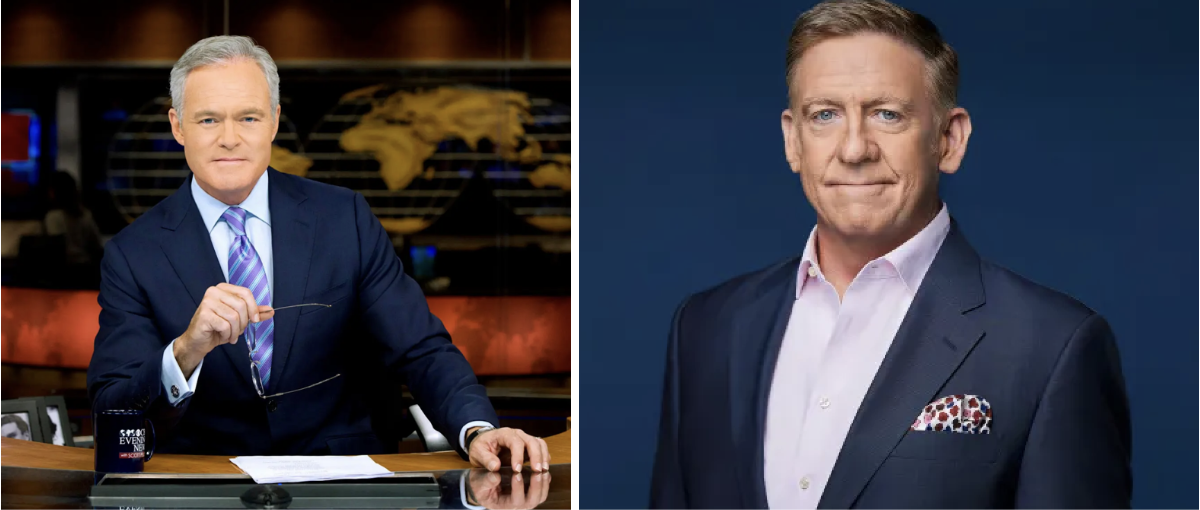
Brown highlights correspondent Scott Pelley’s on-air criticism of increasing corporate oversight at CBS after executive producer Bill Owens resigned. Her broader point is that journalists’ willingness to challenge power is constrained when the owners above them have business interests that depend on government approval.
Bugle Blast
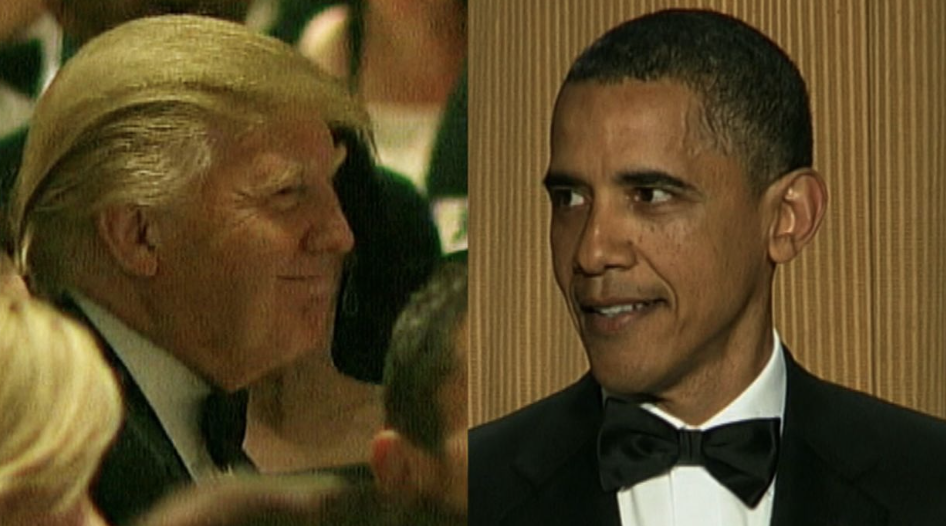
Brown recalls attending the 2011 White House Correspondents’ Dinner, where she sat near Trump as President Barack Obama mocked him from the stage. She describes Trump’s anger as directed not only at Obama but at the assembled media establishment laughing along, and connects that night to his later campaign against the press.
She surveys actions affecting journalism during the opening months of Trump’s second term: friendlier far-right voices entering the White House briefing room, attacks on reporters through social media, cuts to overseas news services, and Attorney General Pam Bondi’s decision to reverse a policy protecting journalists’ phone and email records in leak investigations. Brown also notes growing safety concerns among foreign and student journalists.
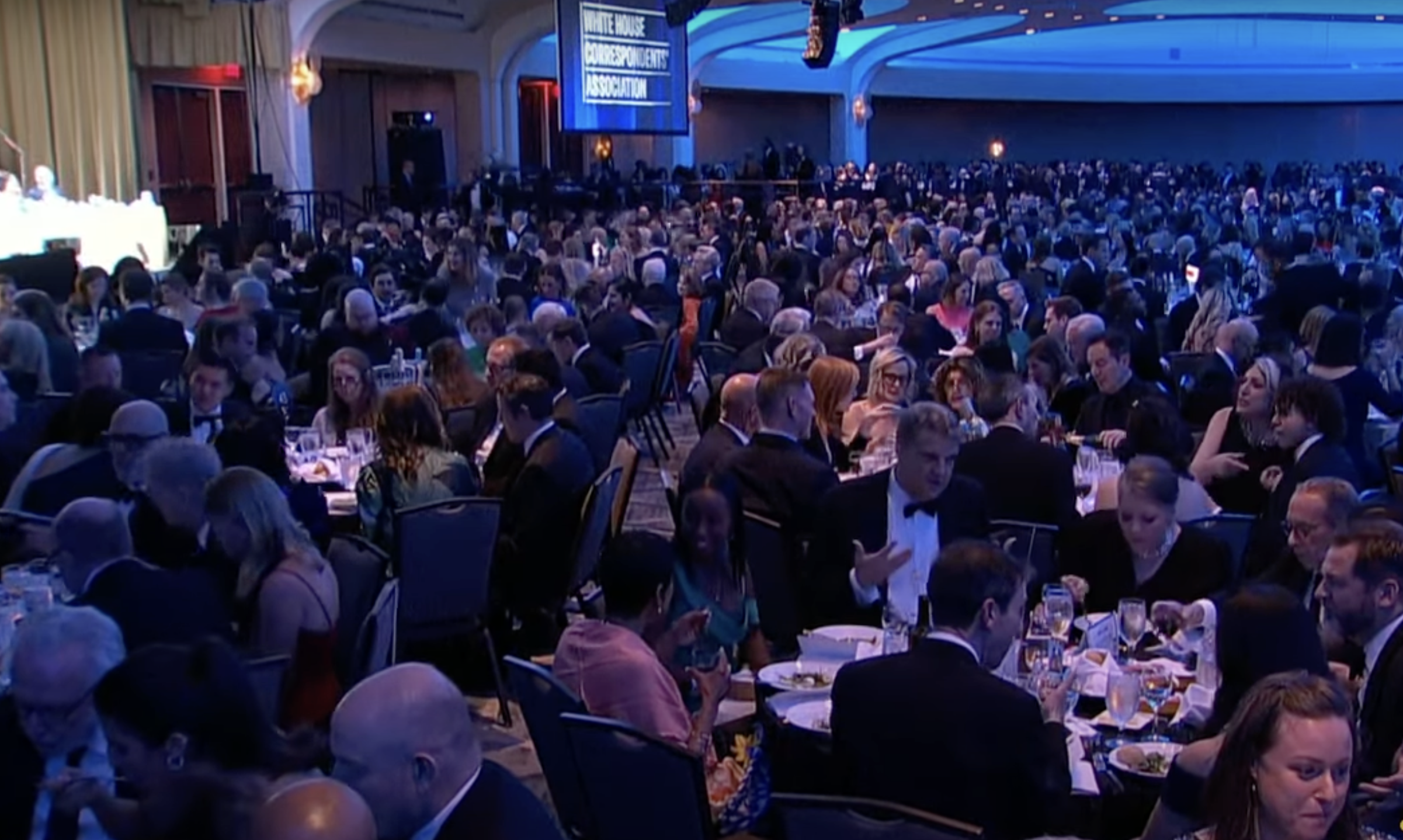
Reflecting on the 2025 White House Correspondents’ Dinner, Brown wishes the evening had delivered a more forceful defense of the First Amendment. She contrasts the subdued event with the difficult work still being carried out by reporters on small nonprofit platforms, independent publications, and podcasts.
That commitment is also visible, she writes, in applications for the Sir Harry Evans Fellowship in Investigative Journalism, established with David Thomson, Reuters, and Durham University to continue the legacy of her late husband. Applicants arrive from around the world eager to investigate powerful institutions, expose wrongdoing, and report from war zones and disaster areas.
Brown recounts Sir Harry Evans’s record as editor of the Sunday Times: the decade-long campaign that secured compensation for people harmed by thalidomide, the investigation of the Foreign Office’s concealment of Soviet spy Kim Philby, and reporting on a wrongful execution that contributed to the end of capital punishment in Britain. She emphasizes that this work required an owner willing to support difficult and expensive journalism, even when it threatened a major advertiser.
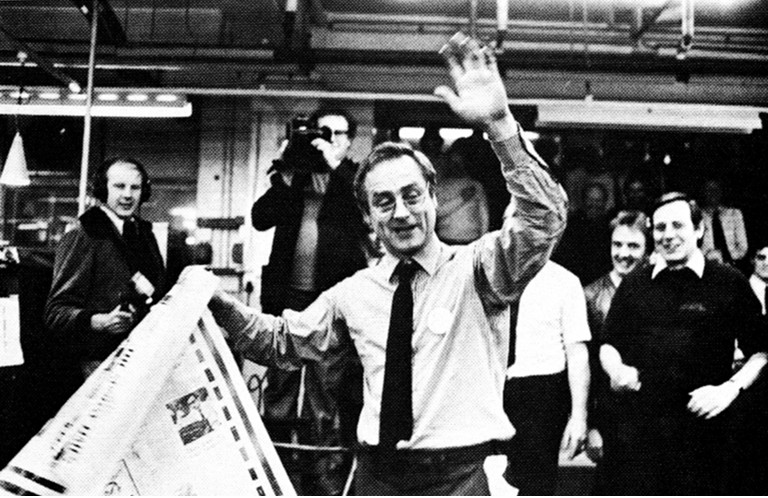
She also shares a 2017 dinner-party story in which the 89-year-old Evans dismantled another guest’s political argument with evidence and precise facts. For Brown, the episode captured his refusal to accept the idea that society had entered an unavoidable “post-truth” era.
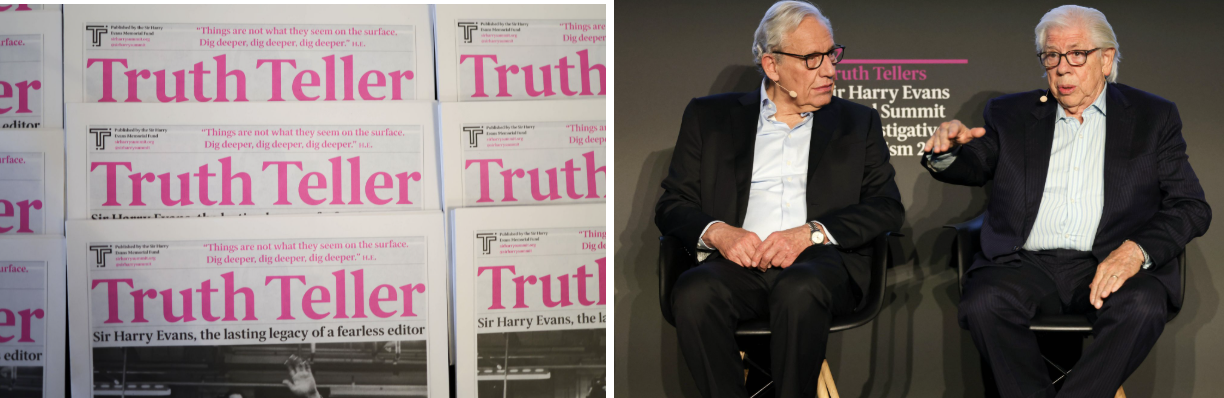
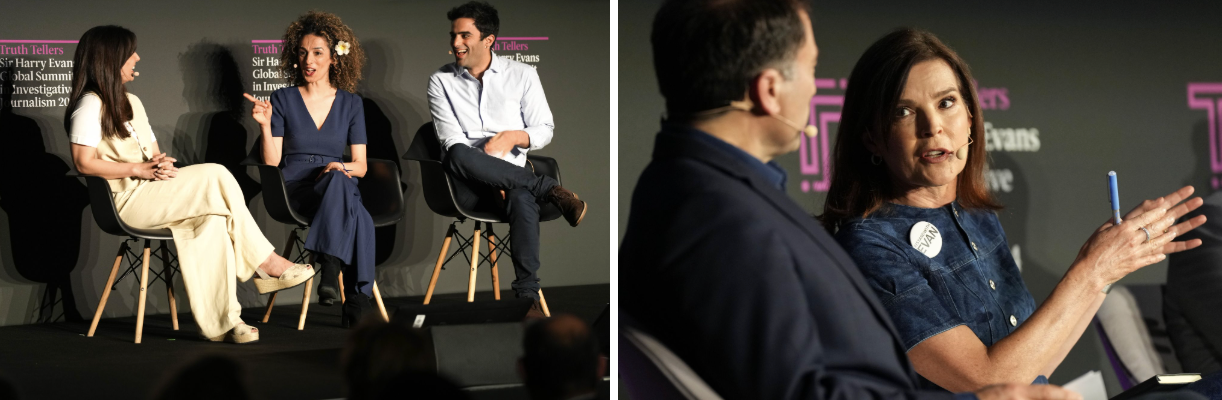
Brown connects that legacy to Truth Tellers, the annual Harry Evans Summit in Investigative Journalism. The 2025 gathering at the Royal Institute of British Architects brought together journalists, editors, documentarians, podcasters, and photographers to explain how their investigations were made. She urges readers to value reporters who persist through intimidation and official spin to uncover facts and hold power accountable. More information and recordings are available at SirHarrySummit.org.
Limey Bullshit
The other night, I was asked to read at the annual SpeakEasy literary gala, hosted by Dr. Amanda Foreman, Jonathan Barton, and Lucas Wittmann, who had the inspired idea of asking presenters to read from unexpected letters between writers, publishers, editors, and lovers. I read the delicious rejection of Animal Farm that T. S. Eliot wrote to George Orwell when Eliot was director of Faber & Faber publishing house in the UK: “Your pigs are far more intelligent than the other animals, and therefore the best qualified to run the farm.”
But the rejection letter that should be pinned up on the wall behind every weary editor searching for ways to politely tell a lofty byline that what he or she delivered was dashed-off tepid gruel was from Hunter S. Thompson to the British novelist Anthony Burgess. Why the gonzo literary lunatic Hunter was playing an editorial role for Jann Wenner at Rolling Stone on the national affairs desk at the time is unclear. But I offer his letter here in all its glory. The actor Richard Kind read it with mad gusto.
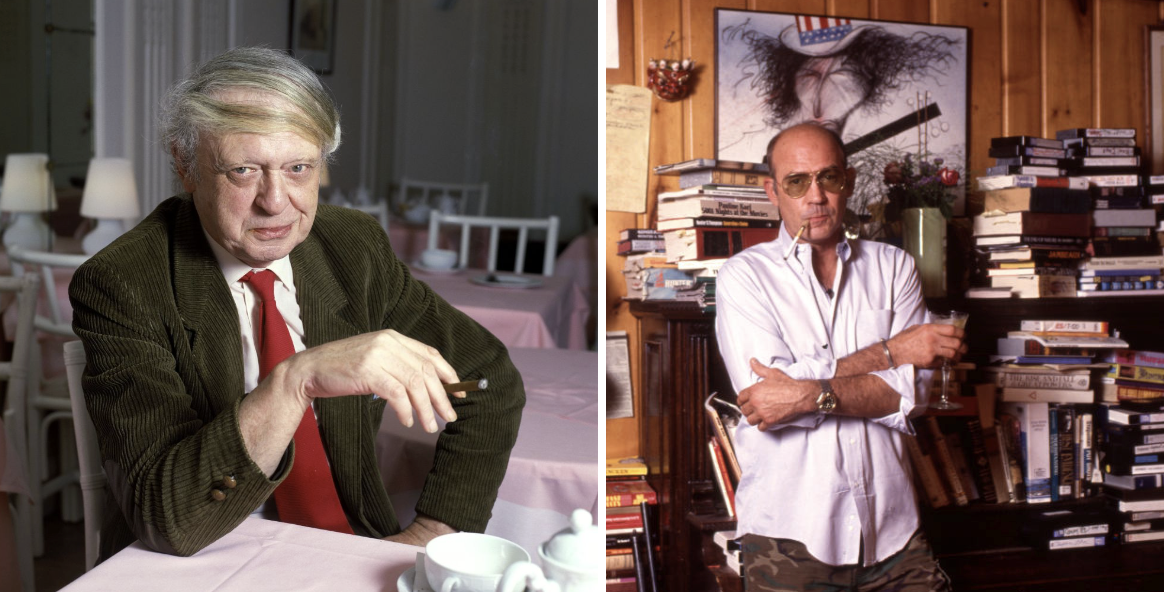
August 17, 1973
Dear Mr. Burgess,
Herr Wenner has forwarded your useless letter from Rome to the National Affairs Desk for my examination and/or reply. Unfortunately, we have no International Gibberish Desk, or it would have ended up there.
What kind of lame, half-mad bullshit are you trying to sneak over on us? When Rolling Stone asks for “a thinkpiece,” goddamnit, we want a fucking Thinkpiece … and don’t try to weasel out with any of your limey bullshit about a “50,000 word novella about the condition humaine, etc….”
Do you take us for a gang of brainless lizards? Rich hoodlums? Dilettante thugs?
You lazy cocksucker. I want that Thinkpiece on my desk by Labor Day. And I want it ready for press. The time has come & gone when cheapjack scum like you can get away with the kind of scams you got rich from in the past.
Get your worthless ass out of the piazza and back to the typewriter. Your type is a dime a dozen around here, Burgess, and I’m fucked if I’m going to stand for it any longer.
Sincerely,
Hunter S. Thompson
Originally published by Tina Brown’s Fresh Hell · tinabrown.substack.com