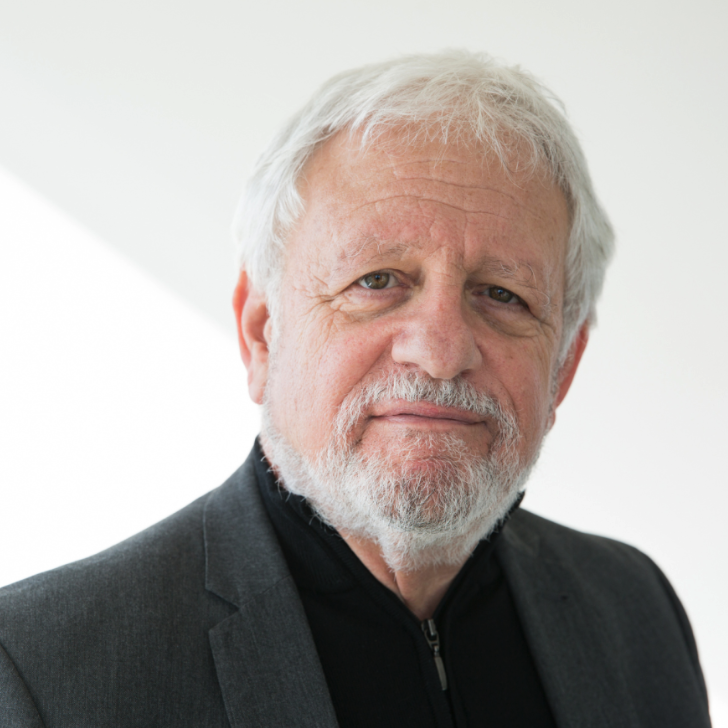
Stuart Firestein
Biologist, Author
"There is an ancient proverb that says, 'It is very difficult to find a black cat in a dark room, especially when there is no cat.' I find this a particularly apt description of science and how science works: bumbling around in a dark room; bumping into things; trying to figure out what shape this might be, what that might be."
About Stuart
Stuart Firestein is a neuroscientist, biologist, and author whose work is based upon a fundamental and unconventional premise: The popular understanding of the scientific method is a huge mistake. Firestein, rather, affirms the discordance between the way science seems to be perceived and the way it is actually pursued; real scientific work looks a lot less like the scientific method and more like, as he jokes, “farting around … in the dark.”
It is only when one turns away from an initial hypothesis and adopts a sort of “sophisticated ignorance” that the most valuable discoveries are made. As he says: “Science often traffics in doubt and readily welcomes revision. And these are precisely the attributes that make it deserving of our confidence.”
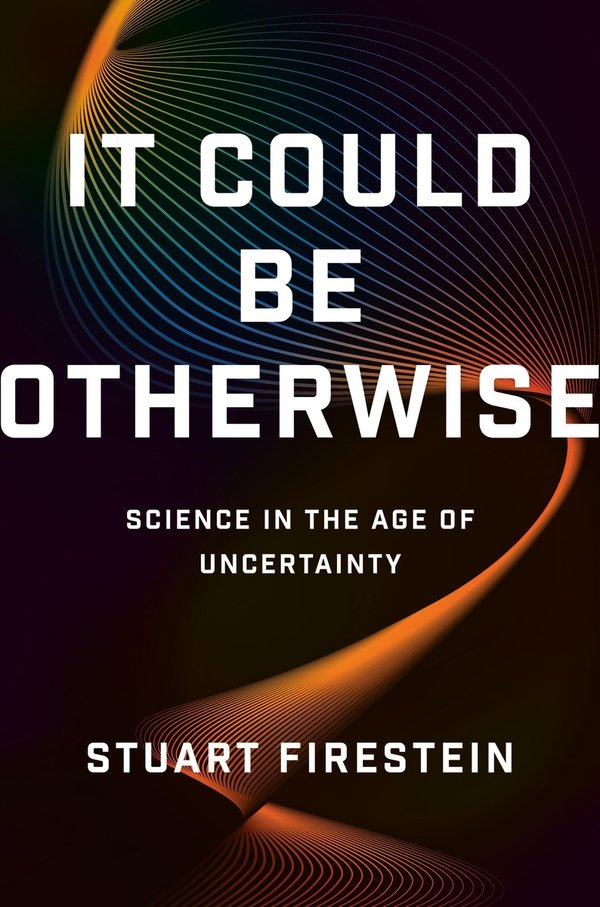
In August 2026, Firestein published It Could Be Otherwise: Science in the Age of Uncertainty, in which he argues that one must reject the search for certainty so deeply embedded in the “mythos of science” and instead reconceptualize our understanding of the field itself: It is not about discerning what must be, but what is possible.
As he says:
“Science is the practice of uncertainty, indeed the mastery of uncertainty, even though mastering uncertainty may sound oxymoronic. The method of science involves knowing a lot, but never knowing for sure. This may go against what you have been taught about the so-called scientific method, the objectivity of science, and the dependability of the scientific approach. I’m not criticizing science here; I’m objecting to the way we have been taught to think about it. Let’s go a step further and say that uncertainty is always preferable over certainty. Though total certainty may seem initially desirable, upon careful examination, it is lethal to many of the things we most prize in life—free will, excitement, surprise, romance, athletics. Uncertainty is possibility, and possibility is optimistic.”
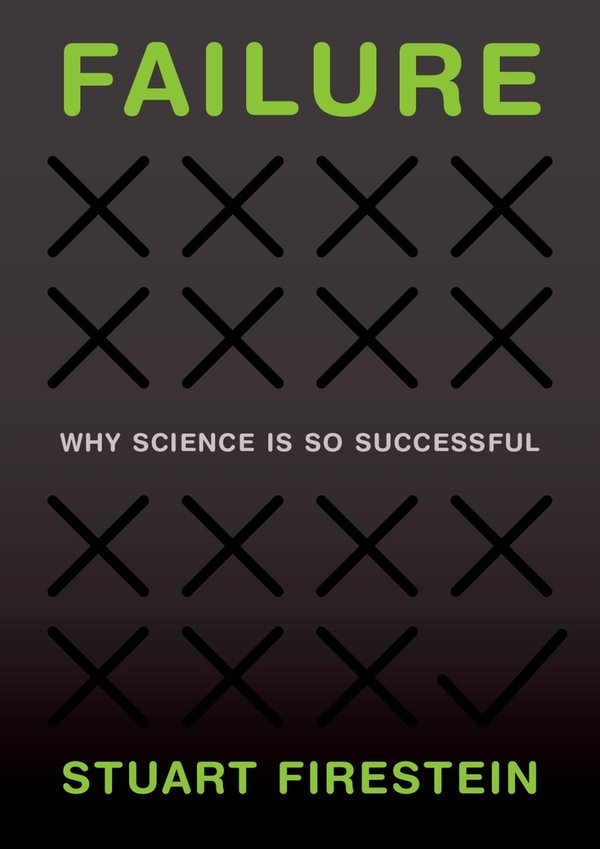
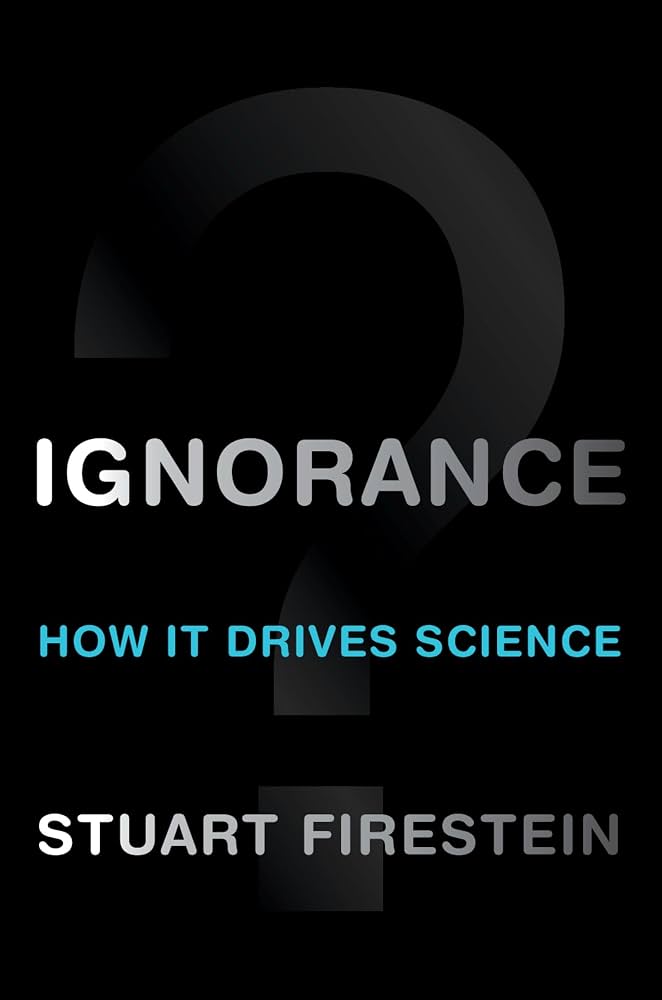
Since earning his Ph.D. in neurobiology in 1993, Firestein has published over one hundred scientific papers in journals such as Nature, Science, Cell, Neuron, Scientific American, the Huffington Post, and Wired; he has also been a TED speaker. Prior to It Could Be Otherwise, he published Failure: Why Science Is So Successful (2015) and Ignorance: How It Drives Science (2012).
A member of the Santa Fe Institute and a longtime professor and chair of biological sciences at Columbia University, Firestein is a Guggenheim and Alfred P. Sloan Fellow, a Fellow of the American Association for the Advancement of Science, and a recipient of Columbia University’s Lenfest Distinguished Faculty Award for excellence in scholarship and teaching. His laboratory is currently researching the vertebrate olfactory receptor neuron.
Selected Works
Explore Stuart Firestein’s books — available through our partner Bookshop.org, supporting independent bookstores.
Appearances
Every time Stuart Firestein has taken the stage with House of SpeakEasy.
The Truth of the Matter
Joe's Pub at The Public Theater
What are the truths in fiction, and where is the factual accountability in nonfiction? On November 17, House of SpeakEasy’s literary cabaret, Seriously Entertaining, turns its spotlight on the slippery line between story and fact.
Amanda Foreman, Emily Hauser, Mikhail Zygar
Stuart Firestein on Stage
Related Writers
Writers who share stages, themes, and audiences with Stuart Firestein.
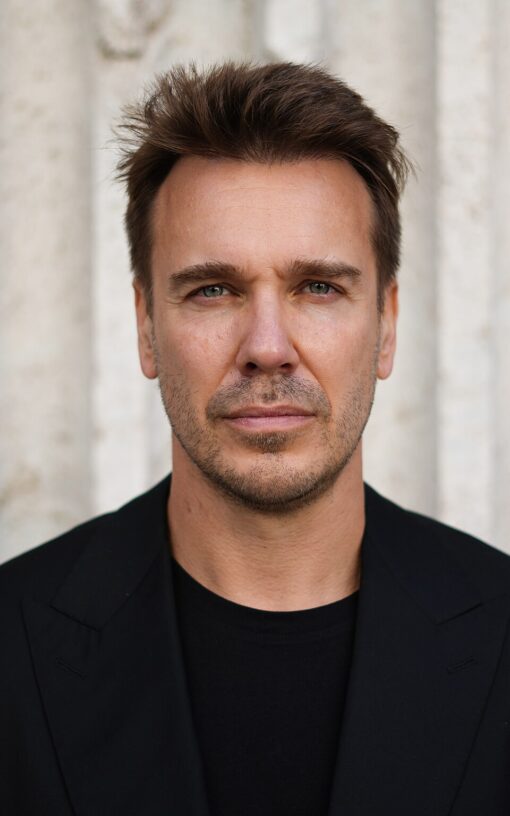
Mikhail Zygar
Journalist, Filmmaker, Historian
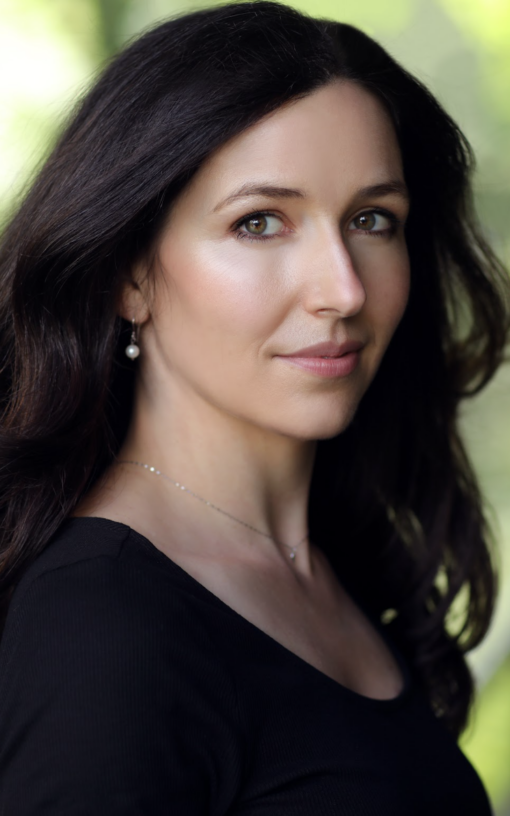
Emily Hauser
Classicist, Historian, Author
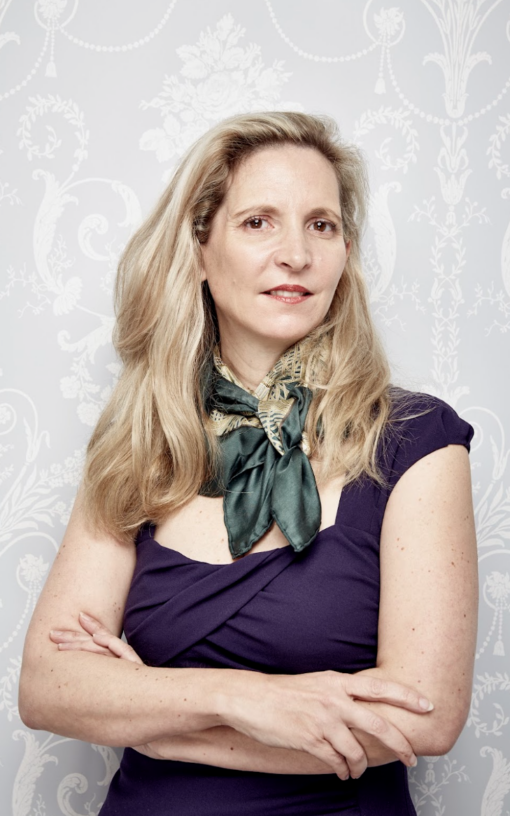
Amanda Foreman
Historian, Author